Our Blog

What Eye Health Risks Can You Inherit from Your Mother?
On the second Sunday of May, we honor our moms on Mother’s Day, a day to celebrate the women who raised us. After all, where would we be without our amazing moms? The tradition dates back to 1914 when U.S. President Woodrow Wilson officially designated the...
What Your Optometrist Looks for During a Dilated Eye Exam
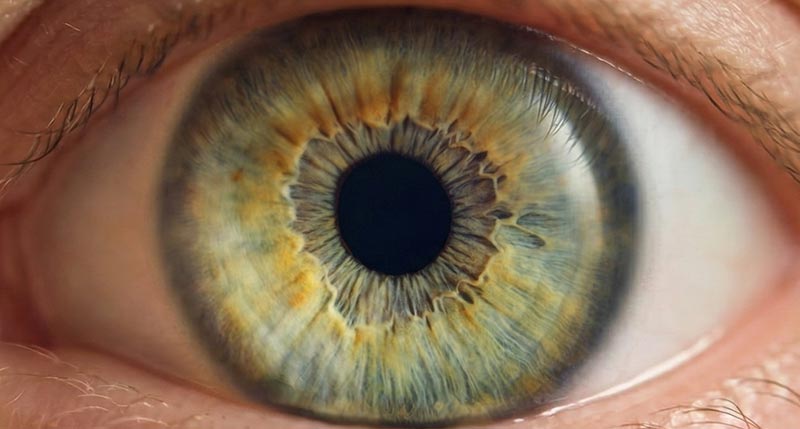
A dilated eye exam is one of the most effective tools your eye doctor uses to protect your healthy vision. By widening the pupils, dilation gives your optometrist a clear view into the back of your eye to examine the retina and optic nerve, helping detect eye concerns early—often before symptoms appear. When you come in for an exam, your doctor will determine if dilation is necessary by considering the answers to these questions, along with other clinical information: What is the reason for your exam? Certain symptoms require dilation to determine a cause and treatment plan. Follow-up exams may not need dilation unless there are new symptoms or concerns. What is your age? As your age...

Why It’s Time To Check Your Flex Spending Account Balance
Check your calendar: We’ll welcome 2023 in just a few short weeks. It’s time to ask yourself two questions: What do you need to get done before the end of December? What action steps can you take now to make your new year better? It’s Time To Use...
What is Diabetic Retinopathy?
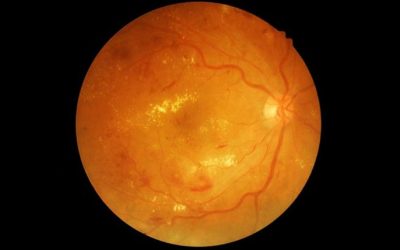
The US Centers for Disease Control estimate that there are 37.3 million Americans living with diabetes. That’s about 10% of our nation’s population! What’s worse: About one in five of those people are not aware that they have this dangerous chronic...

How Does Diabetes Impact Your Eyes?
It’s November: Time to shine a light on how diabetes impacts your eyes during Diabetic Eye Disease Awareness Month. Did you know that diabetes often affects a patient’s vision? And that uncontrolled diabetes is a top cause of blindness for people aged 74...
What are Eye Floaters?
What are Eye Floaters? If you haven’t yet experienced floaters in the eye, it’s understandable that you may be puzzled about what they are and what they look like. However, as you age, floaters become more common. You will get used to seeing an oddly...
Why Retinal Detachment is an Eyecare Emergency
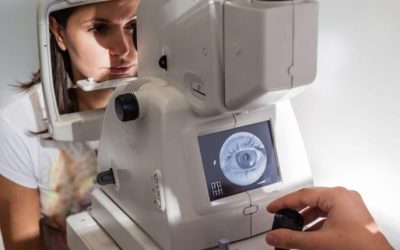
Why Retinal Detachment is an Eyecare Emergency Your retina is the extremely light-sensitive nerve tissue at the back of your eye that enables your eye to focus and see. The retina captures and processes incoming light and images, then passes that information to the...

Is Your Student At Risk for Progressive Myopia?
In our offices and around the country, optometrists are seeing a significant—and disturbing—new trend: more and more patients are presenting with myopia, or nearsightedness. People with myopia can see close-up objects clearly, but objects at a distance...

7 Ways College Students Can Protect Their Eye Health
Are you the parent of a college student or a new college student yourself? It’s a big responsibility! College days are full of excitement and learning. Sometimes you learn in a classroom, and sometimes you learn things from friends in a dorm or other social...

When—and Why—Your Child Needs A Comprehensive Eye Exam
Vision is one of the most precious of our five senses — its impact on our lives can’t be overstated. Up to 80% of the knowledge we learn and the information we perceive comes in through our eyes. That’s why protecting your vision—and the vision...

Why Parents Must Prioritize Back-To-School Eye Exams For School-Age Kids
August is Vision and Learning Month in the U.S. The goal of observing this vital link between vision and how we learn serves to enhance awareness among both parents and educators about how often undiagnosed or misdiagnosed visual problems impact a...