Our Blog
What Your Optometrist Looks for During a Dilated Eye Exam
A dilated eye exam is one of the most effective tools your eye doctor uses to protect your healthy vision. By widening the pupils, dilation gives your optometrist a clear view into the back of your eye to examine the retina and optic nerve, helping detect eye concerns...
6 Ways Technology and Modern Imaging Protect Your Vision
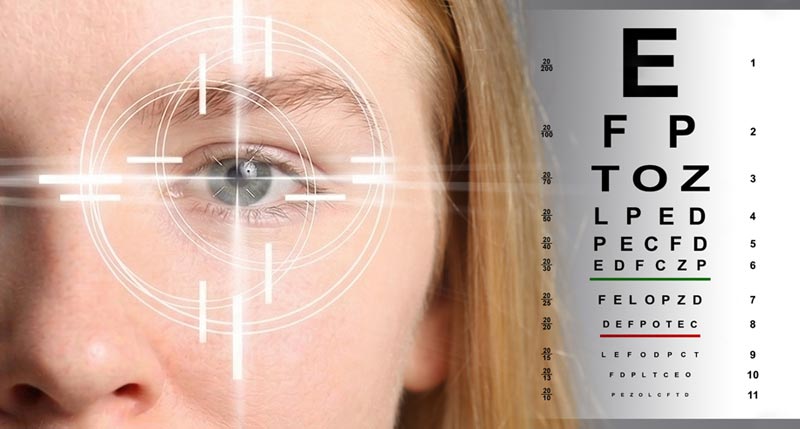
If you’ve had an eye exam recently — and we hope you have! — You know that eye exams are not what they used to be. If you think an eye exam is all about reading the letters on the Snellen chart, you’re in for an … ahem … eye-opening experience in our offices. Modern eye exams are faster, more comfortable, and far more powerful than most patients realize. Some of the most serious eye diseases begin without warning. But with today’s cutting-edge technological tools that make eye exams more accurate, your optometrist can detect early signs of disease, monitor changes over time, and help protect your vision with greater precision. Plus, these...

9 Ways To Protect Eyes from UV Damage
As we continue observing National UV Safety Month throughout July, we want to offer smart strategies to help you minimize the exposure your eyes have to harmful UV rays. Minimizing UV ray exposure can help maintain your healthy vision for as long as possible. UV ray...

Why It’s Smart To Protect Your Eyes From the Sun
It’s the dog days of summer! If it’s not hot enough for you in July, it never will be. July is National UV Safety Awareness Month. With more than 14 hours of sunlight each day, it’s a great opportunity to learn why you need to protect your eyes from...

7 Comments From Post-Procedure Cataract Patients
In our practice, we see a lot of patients in their 60s, 70s, and 80s. Of the eye problems and diseases this age group faces—including glaucoma, macular degeneration, diabetic eye disease, and other inoperable conditions—cataracts are the one eye condition...

8 Facts About Cataracts
June is Cataract Awareness Month, an ideal time to share information about one of the most common vision problems people experience as they age: the formation of cataracts. A cataract is a clouding or yellowing of the eye’s natural lens, which typically occurs...
8 Do’s and Don’ts for Cleaning Sunglasses
It’s sunglasses season! In our optometric practice, it’s always sunglasses season. That’s because we recommend everyone wear their sunglasses 365 days a year, rain or shine. Doing so will protect your eyes from the damaging UV rays of the sun that...

4 Reasons You Need Multiple Pairs of Sunglasses
Hooray: It’s sunglasses season! While the educated patients who read this optometric blog know that you should wear your sunglasses 365 days a year, every time you go outside, whether it’s cloudy or sunny (to protect your eyes from the sun’s damaging...

How to Get Kids To Wear Sunglasses
As a parent, you want to do everything in your power to protect your kids and give them the best possible opportunity to thrive and enjoy a healthy, happy life. It’s a tough job—overwhelming at times—but one that provides life’s greatest...

6 Must-Have Qualities For Kids’ Sunglasses
What’s cuter than a toddler in sunglasses? Not much! But does your toddler really need sunglasses? And if so, how can you get him to wear them consistently? Do toddlers need sunglasses? The answer is yes! Your toddler’s developing eyes will benefit from...
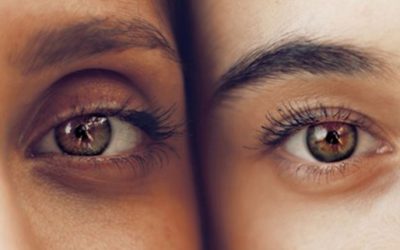
25 Eye-mazing Eye Facts
The human eye is a fascinating organ, second in complexity only to your brain. That’s why you can see clearly in both the bright, mid-day sunlight and also when you’re awakened suddenly from a deep sleep late at night. Without thinking about how you do it,...