Our Blog

What Eye Health Risks Can You Inherit from Your Father?
On Father’s Day, we celebrate our dads, grandfathers, uncles, and other fatherly figures who helped shape our lives. Whether your father taught you how to ride a bike or grill the perfect burger, he may also have passed down something less visible: Your risk for...
7 Cataract Myths That Could Put Your Vision at Risk
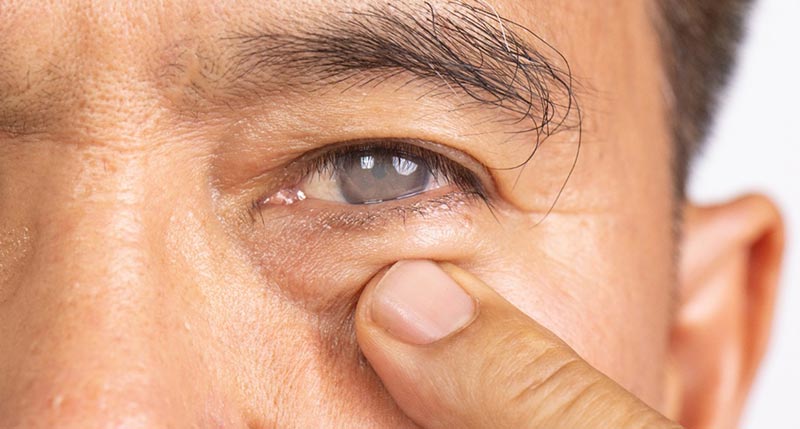
June is Cataract Awareness Month, an ideal opportunity to clarify fact from fiction when it comes to one of the most common eye conditions that impacts adult vision. Cataracts affect millions of Americans, yet myths about who gets them, what causes them, and whether they can be prevented often keep people from protecting their eyesight. In our optometry office, myths we hear about cataracts include: “I thought cataracts only happen when you get really old,” and “Nothing can be done about cataracts anyway.” Neither statement is true. But myths about cataracts are detrimental if they delay you from getting a diagnosis or taking simple steps to protect your vision. So,...

Guard Your Vision: It’s Glaucoma Awareness Month
January is Glaucoma Awareness Month, which encourages us to start the year thinking about our precious sense of vision and how to safeguard it. Glaucoma is a thief – a silent “sight thief” associated with gradual and permanent vision loss caused by...

7 New Year’s Resolutions for “Seeing” a Bright 2024!
Who doesn’t love a good New Year’s resolution? Many people begin the New Year with a strategy of being more aware of their health and well-being. Some plan to eat healthier, exercise regularly or quit smoking – which are a great start. But there are...

Red-Green Color Vision Deficiency Explained: Just in Time for the Holidays
Your ability to see color adds so much to life! Think of seeing a rainbow, or the bloom on a rose, or looking into your child’s or loved one’s eyes. Color helps us form memories, make decisions, and can spark emotions. An average person can see about...

5 Flex Facts Around Vision Care and Flexible Spending Accounts
Have you enjoyed a great 2023? We hope so! The year is coming to a close in just a couple of weeks, and that means you need to act fast to use any Flexible Spending Account (FSA) funds you may have already designated for eligible health care costs. ‘Tis the...

5 Questions about Diabetes and Your Eye Health
It’s that time again – the “use it or lose it” end-of-year push to make your pre-tax Flexible Spending Account (FSA) dollars count! There are a number of qualifying optometric products and services to keep in mind when caring for your eye...

5 Questions about Diabetes and Your Eye Health
In the last 20 years, the number of American adults diagnosed with diabetes has doubled. Did you know that 37 million Americans have diabetes, and approximately 21% of those are unaware that they have it? Couple that statistic with the 96 million people considered...
9 Surprising Health Conditions an Eye Exam Can Uncover
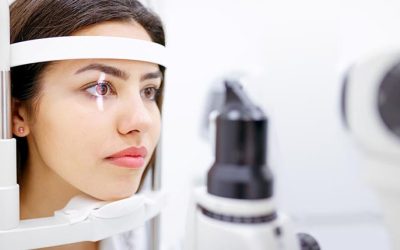
Did you know that an annual eye exam goes far beyond making sure that you are seeing your best? It is one of the few ways to uncover possible health concerns without imaging, surgery, or blood draws. Your optometrist is actually looking inside of your body as they...

How to Care for Your New Baby’s Vision Development
A New Parent’s Guide to Your Baby’s Vision Development We get it: Having a baby can feel overwhelming. Caring for an adorable new life is a big job, and there’s a lot to learn. One important area of focus new parents sometimes overlook is your...
Help Your Student Avoid Pink Eye This School Year
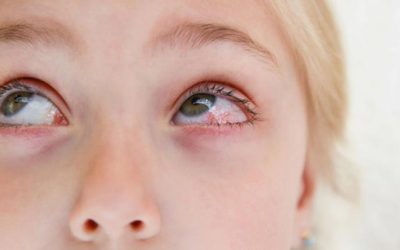
In the U.S. alone, students miss an average of 3 million school days a year due to symptoms of conjunctivitis or “pink eye” as it is commonly known. Pink eye is highly contagious and can spread rapidly in areas of close contact, such as schools, daycares,...